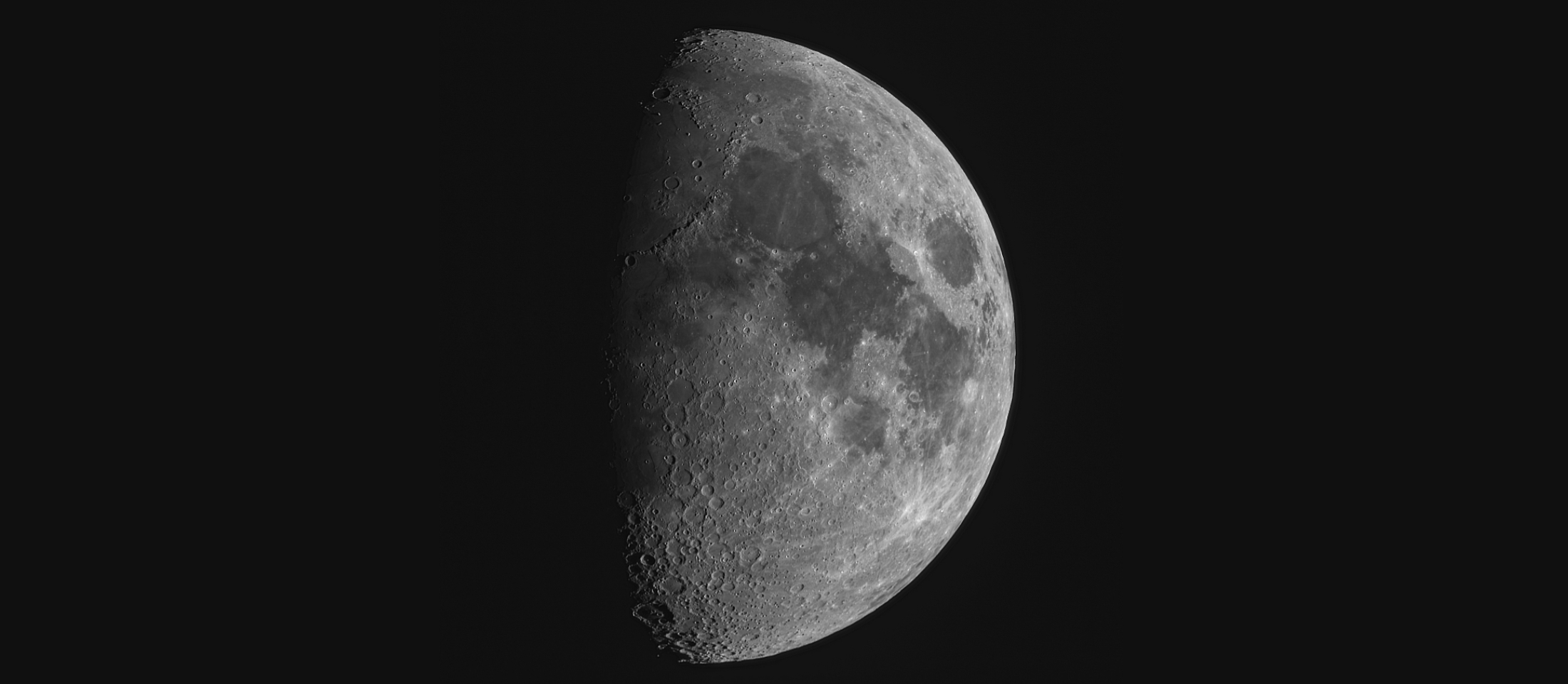
The Aqualunar Challenge is a multi-stage competition organized by Impact Canada and the Canadian Space Agency to develop technology capable of purifying lunar ice into potable water. The ice deposits found in the Moon's permanently shadowed craters contain frozen water alongside a complex mixture of volatile compounds - ammonia, methanol, hydrogen sulphide, and other contaminants - trapped alongside abrasive lunar dust. For astronauts to use this resource, it must first be transformed into water pure enough to drink safely.
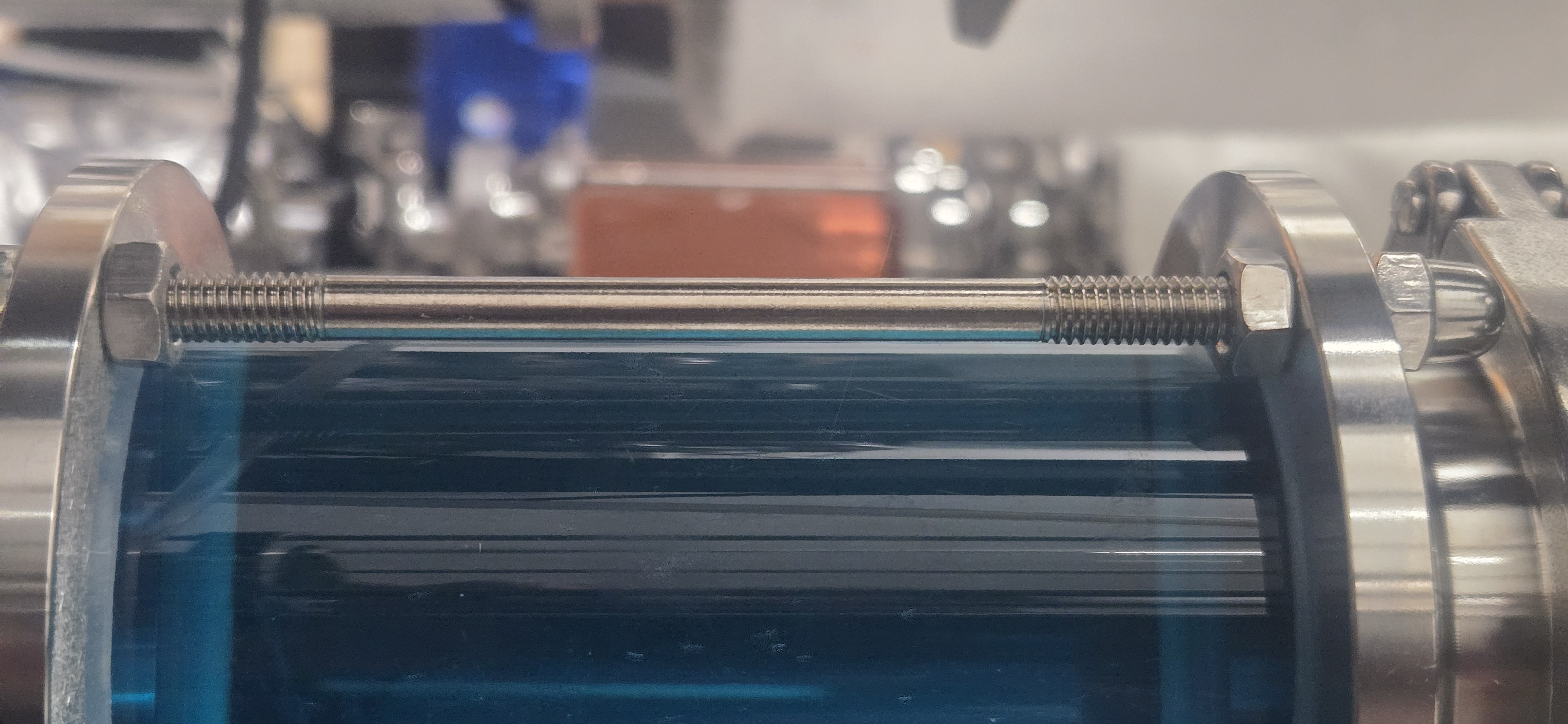
Over multiple stages of the challenge, our team designed, built, and tested a fully integrated prototype water purification system. The work spanned thermodynamic modelling, custom hardware fabrication, control system development, and extensive laboratory validation. We processed simulant feedstocks through the complete purification cycle, validated contaminant removal with third-party laboratory analysis, and stress-tested critical subsystems to establish performance baselines.
The resulting system is designed to operate completely autonomously in the extreme lunar environment: hard vacuum, temperatures near absolute zero, one-sixth Earth gravity, abrasive regolith particles, and constant radiation exposure. With no possibility of human maintenance over a multi-year mission, every component was selected and every control loop designed with long-term reliability as a primary constraint.
We are deeply grateful to the Canadian Space Agency and Impact Canada for the opportunity to participate in the Aqualunar Challenge. Working on technology that could one day help sustain human life beyond Earth has been a privilege.
 Impact Canada
 Canadian Space Agency
 Maia Farms
 Kipp Kitts
 CCR Process Products
 ALS Environmental
 Aurora Scientific
Ashton Ostrander · Sean Lacoursiere · James Garry · Mike Meakin